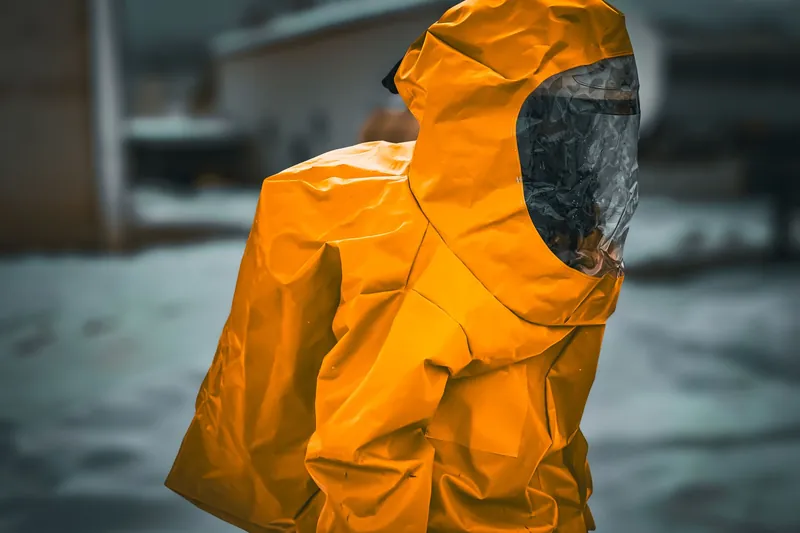
Biohazard Cleanup
Cleanup removes infectious material, including blood and body fluids, and disinfects the property.
See biohazard cleanupGet biological contamination removed from a home, apartment, rental or business near Clay Arsenal. Cleanup can include containment, material removal, disinfection, waste disposal and odor treatment.
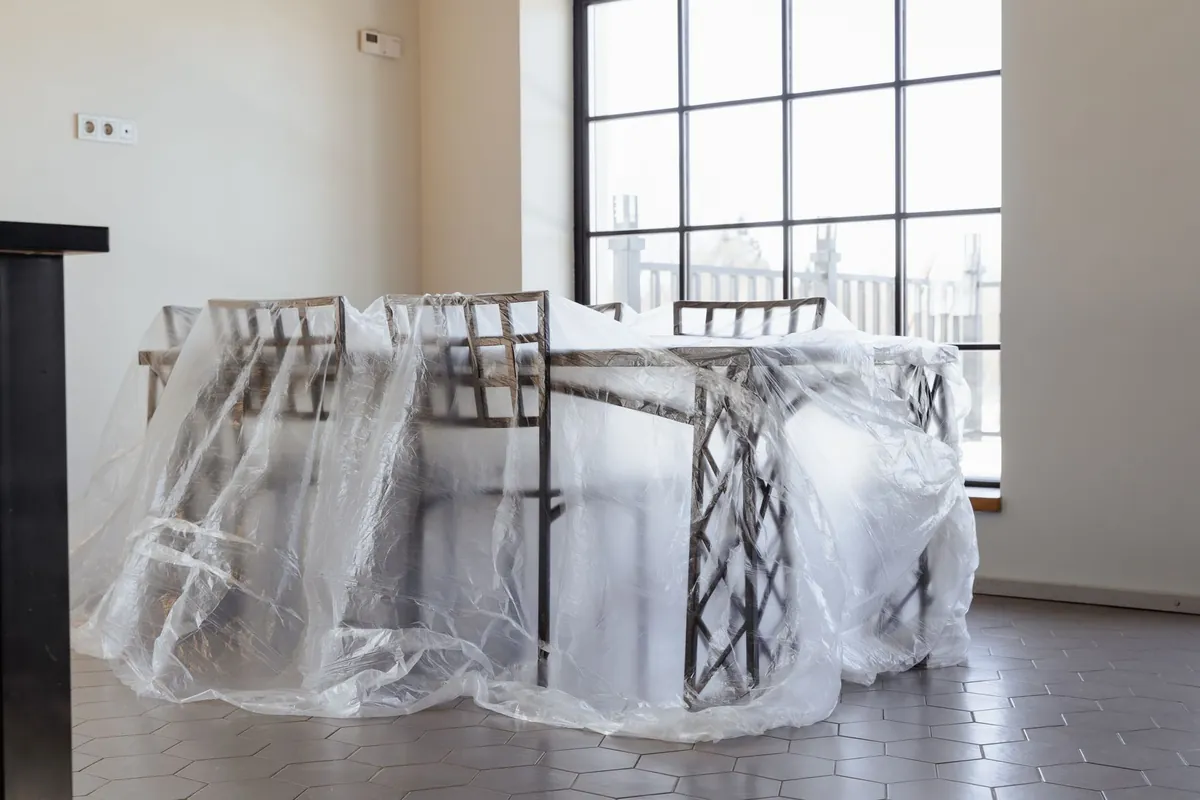
Biohazard remediation is the controlled removal of biological contamination, followed by cleaning, disinfection, waste disposal and odor treatment so an affected space can return to use.
A biological hazard is material that may expose people to harmful microorganisms or toxins. At a property, that can include blood, bodily fluids, human waste, sewage, animal waste or material affected by an infectious illness. The work is different from ordinary cleaning because contamination can enter carpet, padding, unfinished wood, drywall seams and other hidden areas.
Biological remediation starts with finding the full affected area. The cleanup process can include containment, removal, cleaning, disinfection and odor treatment. Cleanable surfaces are treated with an EPA-registered disinfectant for the contact time on its label. Porous materials that cannot be fully disinfected are removed and packaged for disposal under the rules that apply in that state. Odor control comes after the source is removed, not before it.
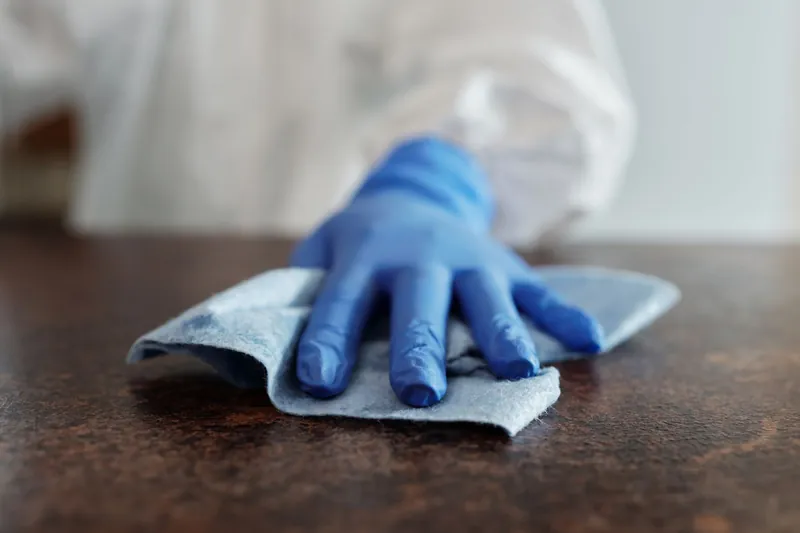
A biohazard remediation company should describe affected spaces, planned cleaning, possible removals and any later repairs outside the biological work. When evaluating biohazard remediation companies, confirm the cleanup technicians assigned inside the zone and the person who prepares the scope.
Unmarked vehicles are used when crews arrive. You may ask about plans for access, parking and moving materials near employees, occupants and neighbors.
You can identify keepsakes and important documents before contents are moved. Separate the contents according to whether they are clean, can be cleaned or cannot be cleaned.
Photos, scope details, invoices and waste paperwork can help you describe the loss to a landlord, manager or adjuster after cleanup.
Biohazard remediation services are appropriate when a biological contaminant may be unsafe to touch, has spread beyond a small cleanable surface or has soaked into porous material. If emergency response or law enforcement is still active, wait for the area to be released. Every situation then needs its own scope. Common situations include:
Offices, rentals, stores and shared buildings may need specialized cleaning services and careful sequencing to keep people outside the work area. Separate restoration services can address flooring, fixture or wall repairs once remediation is complete.
Flooring, walls, furnishings, indoor air and subfloor can be affected by an unattended death. The cleaning process includes sorting personal belongings with care.
Flooring, baseboard cavities and upholstery can be reached by blood or bodily fluids. The affected area can reach beyond the mark that is visible.
After law enforcement releases a scene, biological cleanup can address blood, bodily fluids, contaminated contents and odor left behind inside the property.
Your first step is to prevent contact with the affected area. A few simple actions can limit exposure and avoid spreading contamination into clean rooms:
Call (888) 351-0904Published guides put biohazard cleanup costs across a broad range because no two affected areas are alike. The typical national range listed by Fixr is $3,000 to $5,000. Yelp places the residential average within $1,800 to $4,500. Aftermath's biohazard cleanup pricing guide shows a wider span, $1,000 to $15,000. Your actual scope can be determined only through an assessment.
These ranges come from published national cost guides, not from a site visit. An on-site assessment determines your property's price, which is explained to you before the cleanup starts.
Ask about cost: (888) 351-0904Insurance may cover biohazard remediation if your policy covers the event that caused the loss. Since exclusions, deductibles and coverage differ, payment on your claim can be confirmed only by the insurance company. It may ask you for photographs, disposal records and a scope.
Victims of violent crime, and anyone who paid crime scene cleanup costs, can ask the Connecticut Judicial Branch's Office of Victim Services, which lists crime scene clean-up among eligible expenses, about a compensation claim. Insurance is usually checked first.
Ask the insurer about your deductible, policy limits, exclusions and required records, including whether biological cleanup is treated separately from repairs. Save the claim number and adjuster details.
Property owners and businesses should check any applicable liability and building policies. Insurance assistance can include organizing photos, the cleanup scope, invoices and waste records for the claim file.
Describe the contamination's cause when reporting the event, not merely the cleaning work required. Determine if the covered loss extends to repair work, material removal, disinfection and treatment for odor.
The biohazard remediation process moves from assessment to containment, removal, detailed cleaning and a final check. Every step limits contact or cross-contamination, and the entire process follows the agreed scope. The order matters because disinfection cannot replace removal of material that cannot be cleaned.
Nearby surfaces, movement paths and impacted rooms are inspected. What can be cleaned, what might require removal and which areas need shielding are recorded in the scope.
Physical barriers divide clean areas from the work zone. Crew members wear personal protective equipment matched to the exposure and manage travel between work zones.
Collection of sharps and visible matter occurs before surfaces are treated. Workers place sharp objects in puncture-resistant containers and package contaminated porous materials apart from them.
Carpet, pad, wallboard, insulation, upholstery and parts of the subfloor may be removed if absorbed contamination prevents full disinfection.
An EPA-registered disinfectant treats the remaining surfaces once cleaning has removed the soil. The surface stays wet for the contact time stated on the product label.
Work on odor starts once all contaminated sources have been removed. Material type, room conditions and occupancy can guide whether HEPA air filtration or another treatment is used.
Removed items go to a suitable medical or hazardous waste stream after sealing and any required labeling. Documentation may show which materials were removed from the property.
The agreed scope is used to check the completed work area. Photos and cleanup records can support an insurance file before separate repairs replace flooring, drywall or other finishes.
Call any hour. You speak with a biohazard remediation specialist who outlines the process and schedules a start time with you.
Biological contamination presents serious health risks through contact with your skin, splashing, sharps and contamination carried by tools, shoes or hands.
Fluids may travel under baseboards, absorb into unfinished wood, and pass through carpeting into the padding or subfloor. Treating only what you can see can leave contamination behind.
A death, injury or severe property event can be difficult for you and your loved ones to face. You may stay away from the affected area as cleanup crews document conditions and explain the choices involved.
Bloodborne pathogens may be present in blood. Because the CDC says hepatitis B may remain on surfaces for at least seven days, dried blood must still be cleaned and disinfected with care.
Can you clean it yourself? For a few drops of blood on a hard, non-porous surface, keep others away, wear disposable gloves and use an EPA-registered disinfectant for the full label contact time. Seek professional cleanup when contamination reaches carpet, fabric, unfinished wood or drywall, involves sharps or sewage, or extends beyond an area you can clearly define.
An item may stay when it is non-porous and every affected part can be accessed, cleaned and disinfected. Absorbent items might have to come out if contamination has penetrated their surface.
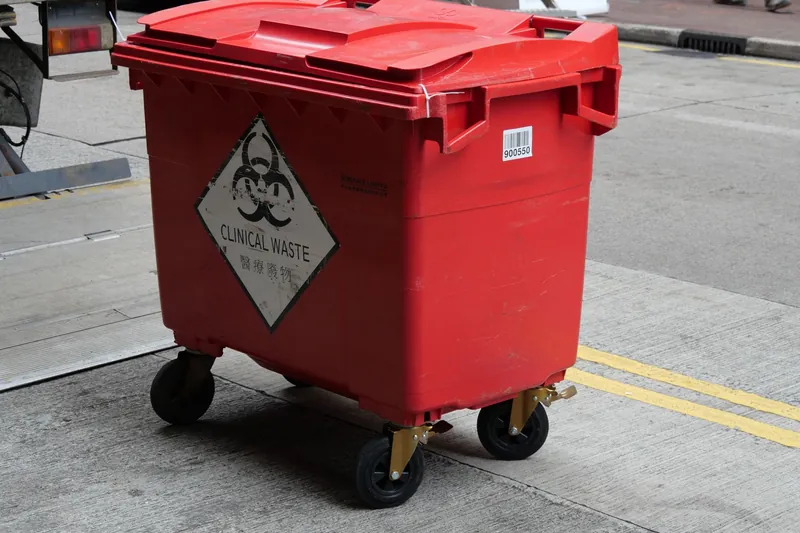
Biohazard remediation has no universal timeline. How long it takes is determined by contaminant type and spread, impacted materials, contact-time or drying requirements, waste quantity and the need to open any hidden area.
| Scene | Typical time on site |
|---|---|
| Limited surface contamination | When visible edges define the area and surfaces are non-porous, the work is shorter |
| One room or several rooms containing porous materials | Longer when the work requires controlled removal of subfloor, furnishings, wallboard or carpet |
| Complex or hidden contamination | Containment, property access, drying, testing and odor work can add time |
Biohazard odor is controlled by finding and removing the contaminated source. Fragrance or surface spray cannot correct fluid beneath flooring, waste inside a wall cavity or affected contents left in the room.
Once cleaning is done and the source is gone, airborne particles may be collected by HEPA air scrubbers. The space may call for additional odor treatment, but such treatment must not replace disinfection or removal. A service that only conceals odor without taking out the source has not completed remediation. Surrounding areas are also checked, including vents, adjacent rooms and routes traveled during the event.
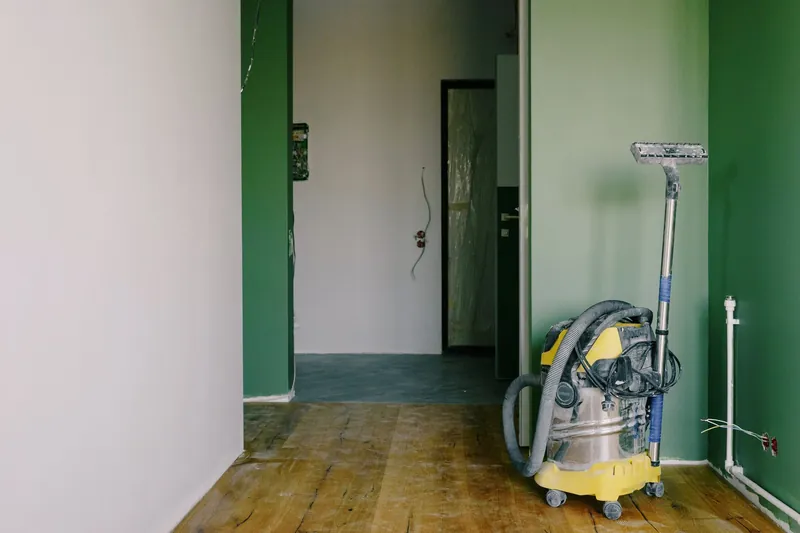
The full biohazard remediation guide covers what is cleaned or removed, odor and air quality work, and the rules that apply in your state.
Read the full biohazard remediation guidePlanning for access, containment and cleanup can depend on local population, housing and entry conditions.
The approximately 1.3 mile trip to St Francis Hospital & Medical Center matters when an injury must be assessed before anyone returns to the affected space.
This community is near clay-hill-historic-district, capenclark-historic-district, and vine-street-apartment-buildings, which can matter when family members are arriving from surrounding communities.
Properties within this Hartford neighborhood may share alleys, entries, or parking, so equipment movement should be planned around nearby residents.
Your phone conversation can include questions about service in nearby ZIP codes and communities.
Cleanup removes infectious material, including blood and body fluids, and disinfects the property.
See biohazard cleanup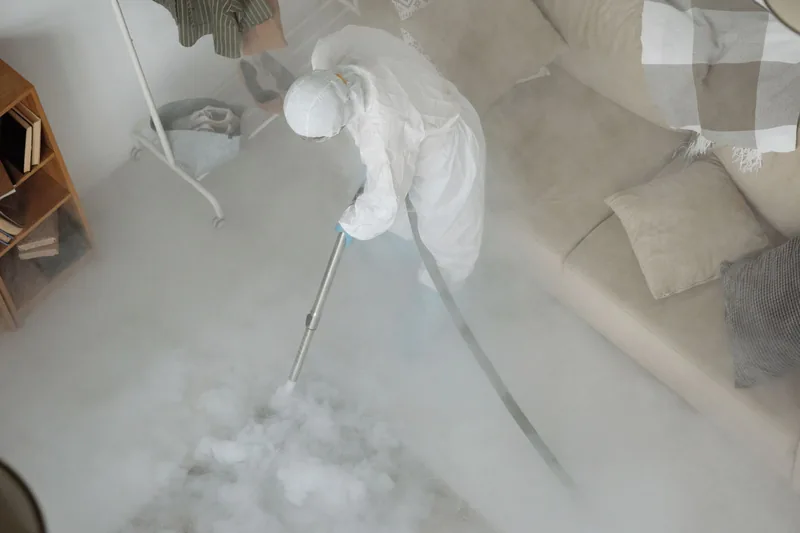
Complete decontamination treats the room, its surfaces and the air after a hazardous or infectious exposure.
See biohazard decontamination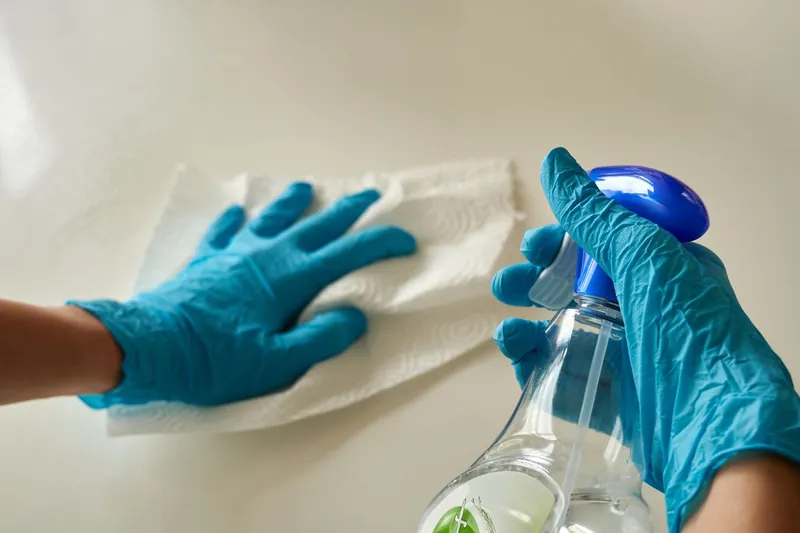
Walls, carpets, furnishings and hard floors receive blood cleanup, with safe disposal afterward.
See blood cleanup
Blood cleanup controls exposure to HIV as well as hepatitis B and hepatitis C.
See bloodborne pathogen cleanup
Bodily fluid cleanup removes fluids and disinfects affected areas in businesses, homes and care settings.
See bodily fluid cleanup
After police release the property, crime scene cleaning addresses blood and odor.
See crime scene cleanup
When a death remains undiscovered for days, cleanup addresses decomposition and controls odors.
See unattended death cleanup
Raw sewage cleanup treats Category 3 black water and includes both drying and disinfection.
See raw sewage cleanupYes, dry blood remains a potential biological hazard. The CDC says hepatitis B can survive on surfaces for at least seven days. Avoid bare-hand contact, standard vacuuming and sweeping. Soil must first be removed by cleaning, after which disinfection needs the right product used for its complete label contact time.
Start by keeping people and pets away. Avoid contact with the material, and never sweep or vacuum it. Controls for biological hazards may involve barriers, protective equipment, management of sharps, removing affected porous items, cleaning and disinfection, secure waste packaging, and measures to stop shoes or tools from spreading contamination.
When the cause of contamination is a covered event, a homeowners policy may also cover the resulting cleanup. Policy limits, exclusions and deductibles differ. Report why the contamination occurred to your insurance company, then ask whether repairs, waste disposal, odor control, disinfection and material removal are covered. Store the requested paperwork and your claim number together.
No single duration applies to all jobs. Contamination under wallboard, subfloor or carpeting requires more work than a small area limited to non-porous material. Timing may also depend on containment, drying, disinfectant contact time, odor work, amount of waste, access to the property and any scope testing.
No. Tear gas and pepper spray leave chemical irritant residue, while biohazard remediation focuses on blood, bodily fluids, sewage and other biological contamination. Chemicals may require hazardous materials remediation, which is also known as hazmat remediation. Vehicle biohazard remediation means applying biological remediation within a car or other vehicle. Sewage and mold remediation are also distinct because wet materials may develop mold after a backup.
A few fresh drops on a hard, non-porous surface may be manageable with disposable gloves and an EPA-registered disinfectant used exactly as labeled. Seek professional cleanup for unknown material, possible exposure, sewage, sharp objects, contamination inside porous surfaces or spread beyond the edges you can see.
You can request respectful, discreet biohazard remediation 24 hours a day, and crews use unmarked vehicles.